Saturday morning is already busy. You’ve got errands to finish, family plans later in the day, and a appointment for braids somewhere in between. You know the hairstyle you want, but have you considered how long the installation might take, what preparation is needed, or how the braids will fit into your routine afterward? A packed weekend can make even a carefully planned hair appointment feel like a difficult calendar decision. When the weekend is already booked with family activities, the practical details of a braiding appointment deserve a place in your plans.
Choosing a braid style is only part of preparing for the appointment. At WOW African Hair Braiding Bissonnet, customers can consider knotless styles, classic box braids, scalp braids, and children’s braiding. Knowing what distinguishes these options before you book can improve both the appointment experience and your satisfaction afterward. A clear understanding of the options can turn an uncertain booking decision into a practical plan. Instead of deciding solely from a picture, consider how different braid styles may affect installation time. Two styles may both look beautiful in pictures while involving very different time commitments. The choice between knotless styles and traditional box braids involves more than personal taste. The aim is not to choose the most fashionable option, but to find a hairstyle you can enjoy beyond the first day.
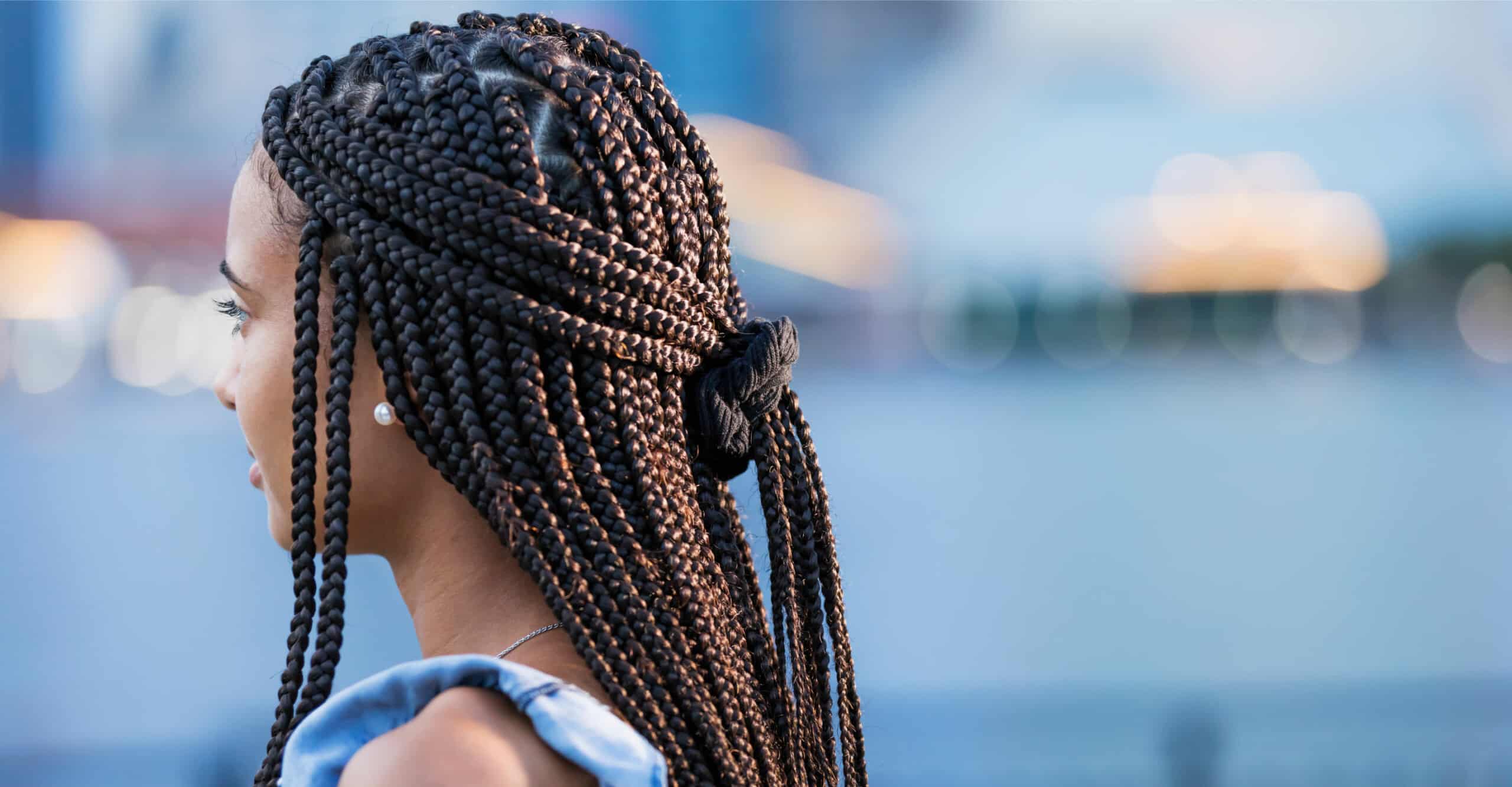
Good Preparation Starts Before Your Braiding Appointment
Thoughtful planning often makes the appointment easier. Your natural hair, intended braid length, and daily habits should guide the choice. Bring sample images that clearly show your preferred braid size, parting arrangement, and overall finish. Reference photos work best when they show more than the overall silhouette, including parting and thickness. When gathering inspiration, pay attention to the finished length and shape instead of focusing solely on the color. Your natural hair’s density and sensitivity should be part of the decision, not an issue considered only during installation. A hairstyle that works for one person may need a different section size to suit someone else’s hair. Even a brief discussion about reference images and extensions can help make the appointment less stressful.
Braid size deserves special attention. Fine braids usually involve more individual sections, which can increase time spent braiding and removing the style. Medium-sized braids offer a balance of detail and versatility, while larger braids create a more pronounced look with fewer sections. Smaller sections can create a more intricate overall look, but that detail usually involves a longer installation process. The more individual braids a style requires, the more work may be involved in installation and removal. For some customers, medium braids strike a balance between versatility and installation demands. The appeal of a medium-sized style often lies in its moderate section count, rather than an especially bold finish. Ask how the proposed size will work with your preferred length rather than assuming that larger always means easier.
A knotless braiding salon in Bissonnet can help you compare these options, but size alone doesn’t determine comfort or the final result. The weight of added hair, total length, sensitivity of your scalp, and how you usually style your hair all influence the experience. Two people requesting the same braid size may experience different finished weights because their natural hair is not identical. A style’s comfort depends on the combined effect of braid length, extension weight, and scalp sensitivity, not simply the number of sections. Someone who wears braids down most days may need a different balance of section size and flexibility. Everyday habits, including exercise routines, can influence whether a proposed style feels easy to manage. The useful question is not only which size looks best, but also what maintenance you can manage.
Which Braiding Technique Fits Your Needs?
Each style has its own advantages. Traditional box braids are recognizable for their individual sections and distinct finish. Knotless braids use a different extension-feeding technique that can create a smoother transition near the roots. Cornrows follow the scalp in organized patterns and can be worn in simple straight-back arrangements or more detailed designs. Traditional box braids are often recognized by their clearly separated sections, while knotless styles use a different approach to adding hair. The difference between traditional box braids and knotless braids is not merely a trend; it includes how added hair is incorporated.
Clients seeking box braiding services in Bissonnet should consider how much styling flexibility they want and how much time they can devote to maintenance.
Consider how you will actually wear the braids. Frequent buns and ponytails can create different requirements than leaving them down. A suitable style should reflect your own hair and routine, not simply the most popular look online. A customer who leaves braids loose may prioritize the overall silhouette, while someone who ties them up often may focus on comfort at the hairline. For people who regularly wear hair pulled away from the face, the relationship between length and everyday movement deserves attention.
Comfort Should Never Be an Afterthought
People frequently call braids protective, yet that benefit depends on gentle installation and responsible upkeep. The word protective describes the intention behind a style, not a guarantee that all braids are risk-free. Braiding can reduce some daily manipulation, but that does not mean the hair needs no attention afterward.
Scalp health matters during and after your appointment. Repeated or excessive pulling can damage hair and contribute to traction alopecia. Avoid putting additional tension on freshly braided hair through tightly pulled ponytails and buns. Traction alopecia is associated with ongoing tension around the roots, which is why tension deserves attention. A polished braid pattern should never depend on intense pulling; these symptoms warrant attention during the appointment. Even after installation, habits such as tight ponytails may increase strain on the hairline. The way you wear your braids afterward can affect hairline comfort. Clear communication gives the stylist a chance to respond to discomfort while the style is being created.
Extra care may be appropriate when braiding children’s hair or working around fragile hairlines. Choosing a hairstyle that looks good should never mean ignoring discomfort. Children may be less able to explain whether the roots are pulling, so caregivers should pay attention to the child’s comfort. A delicate hairline can make section size and extension weight especially important. A lighter or simpler design may sometimes be easier to wear than a complex pattern chosen solely for appearance. There is no reason to prioritize a highly intricate pattern over scalp comfort. The most attractive result is one the wearer can maintain comfortably.
A Convenient Salon Visit Starts With Clear Expectations
An online search for African braiders near me may begin with location, but the right fit also involves communication, service choices, and how comfortable customers feel. WOW African Hair Braiding welcomes women, men, and children in the Bissonnet area of Southwest Houston for traditional and modern African braiding styles. A convenient location can make scheduling easier, but it does not replace a clear discussion of services. Finding a nearby salon is only the first step; the next is confirming what the appointment involves.
Ask about the intended style and length, likely chair time, total price, and whether you need to bring extension hair before reserving an appointment. Clear answers help both you and the stylist prepare. A reference image may show the visual result you admire, but it does not communicate your budget. Clear descriptions help avoid confusion about which technique you are requesting. Ask whether the appointment requires a specific type of preparation so you can arrive with the necessary materials. Knowing the practical requirements in advance helps prevent avoidable delays once you reach the salon. Discussing these points early allows both customer and stylist to prepare for the visit.
Aftercare Habits That Help Maintain Your Braids
Once your appointment is complete, gentle ongoing care can help preserve the style. Cover your hair with satin when you sleep, clean your scalp without layering on too much product, and make sure the braids dry completely after washing. Nighttime protection can reduce unnecessary friction, although it does not eliminate the need for attention to cleanliness. Keeping a braided style looking neat involves more than the initial installation. Scalp care should balance removing buildup and avoiding irritation rather than relying on frequent heavy products. When cleansing braids, take care to avoid leaving residue afterward. Damp braids may take time to dry, particularly when additional hair is used, so avoid rushing the drying process.
Avoid leaving braids installed indefinitely, particularly if you notice tangling, breakage, or persistent irritation of the scalp. A style’s lifespan should be guided by how the braids are holding up, not simply the desire to postpone another appointment. Braids should not remain in place without regard for breakage or irritation.
Appearance matters, but everyday comfort matters too. By preparing for your next Bissonnet salon visit and caring for the braids afterward, you can enjoy a hairstyle that complements your schedule rather than disrupting it.
A good result should still feel comfortable at work after the excitement of the appointment has passed. A style that fits your schedule and hair needs can be more satisfying over time than one selected only for a photograph. Preparation, a clear discussion of expectations, and gentle aftercare all contribute to a better wearing experience. Making room for questions before the appointment can help you leave with fewer surprises. Whether you choose cornrows, the goal is to find a look that feels right for everyday wear.